<h1>How to Fix Ozone Damage in Plants: A Comprehensive Guide</h1>

<h2>Fixing Ozone Damage in Plants</h2>

<p>If you're a plant lover, you know how frustrating it can be to see your beloved plants suffering from ozone damage. Ozone is a harmful gas that can cause serious damage to plants, including leaf injury, reduced growth, and even death. Fortunately, there are steps you can take to repair and prevent ozone damage in your plants. In this guide, we'll explore everything you need to know about fixing ozone damage in plants.</p>

<h2>What Causes Ozone Damage in Plants?</h2>

<p>Ozone damage in plants is caused by exposure to high levels of ozone gas in the air. Ozone is a reactive gas that is produced when pollutants such as nitrogen oxides and volatile organic compounds (VOCs) react with sunlight. This means that areas with high levels of air pollution are more likely to experience ozone damage in plants. Additionally, certain plant species are more susceptible to ozone damage than others. For example, plants with thin leaves or those that have a high stomatal density are more vulnerable to ozone damage.</p>

<h2>Identifying Ozone Damage in Plants</h2>

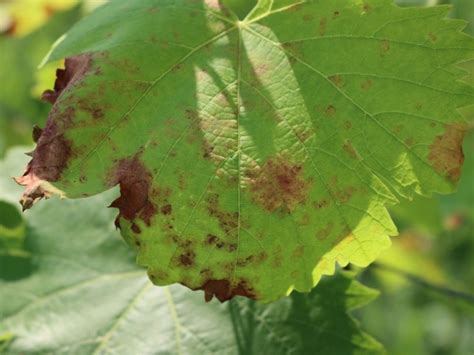
<p>The first step in repairing ozone damage in plants is to identify it. Ozone damage can manifest in different ways depending on the plant species and the severity of the damage. Some common signs of ozone damage include:</p>

<ul>
    <li>Leaf injury, such as stippling, chlorosis, or necrosis</li>
    <li>Reduced growth and yield</li>
    <li>Changes in plant morphology, such as curling or cupping of leaves</li>
    <li>Early senescence or premature leaf drop</li>
    <li>Increased susceptibility to pests and diseases</li>
</ul>

<p>If you notice any of these signs in your plants, it's important to take action as soon as possible to prevent further damage.</p>

<h2>Steps to Fix Ozone Damage in Plants</h2>

<h3>Step 1: Remove Damaged Leaves</h3>

<p>The first step in fixing ozone damage in plants is to remove any damaged leaves. This will help prevent the spread of damage to other parts of the plant. Be sure to use clean, sharp pruning shears to avoid further damaging the plant.</p>

<h3>Step 2: Improve Air Quality</h3>

<p>To prevent further ozone damage, it's important to improve the air quality around your plants. This can be  by reducing the use of fossil fuels and other sources of air pollution, such as pesticides and fertilizers. You can also improve air quality by planting more trees and using air-cleaning technologies such as activated carbon filters.</p>

<h3>Step 3: Provide Adequate Water and Nutrients</h3>

<p>Ozone-damaged plants may have difficulty absorbing water and nutrients from the soil, so it's important to provide them with adequate amounts of both. This can be  by watering the plants regularly and applying a balanced fertilizer according to the manufacturer's instructions.</p>

<h3>Step 4: Use Ozone-Resistant Plant Varieties</h3>

<p>If you live in an area with high levels of air pollution, consider planting ozone-resistant plant varieties. These are plant species that have been bred to tolerate high levels of ozone and are less likely to suffer from ozone damage.</p>

<h2>Preventing Ozone Damage in Plants</h2>

<p>Preventing ozone damage in plants is often easier than fixing it. Here are some steps you can take to prevent ozone damage in your plants:</p>

<h3>Step 1: Monitor Ozone Levels</h3>

<p>It's important to monitor the levels of ozone in your area so that you can take action to protect your plants when levels are high. You can find information on ozone levels from local air quality monitoring stations or online resources.</p>

<h3>Step 2: Plant Trees and Shrubs</h3>

<p>Planting trees and shrubs around your plants can help reduce ozone levels by absorbing pollutants from the air. Additionally, trees and shrubs can provide shade and shelter for your plants, which can further protect them from ozone damage.</p>

<h3>Step 3: Water Your Plants in the Morning</h3>

<p>Watering your plants in the morning can help reduce ozone damage by washing away pollutants from the leaves before they have a chance to react with sunlight. Additionally, watering in the morning can help ensure that your plants have enough moisture to withstand hot summer days.</p>

<h3>Step 4: Use Organic Pest Control Methods</h3>

<p>Using organic pest control methods can help reduce the use of pesticides, which can contribute to air pollution and ozone damage. Some effective organic pest control methods include companion planting, crop rotation, and the use of natural predators.</p>

<h2></h2>

<p>Ozone damage in plants can be frustrating, but it's not inevitable. By taking steps to repair and prevent ozone damage, you can help your plants thrive despite the challenges of air pollution. Remember to monitor ozone levels, remove damaged leaves, provide adequate water and nutrients, and use ozone-resistant plant varieties when necessary. With these simple steps, you can enjoy healthy, vibrant plants for years to come.</p>

<h2>FAQs</h2>

<h3>Q1: Can ozone damage in plants be reversed?</h3>
<p>A1: Yes, ozone damage in plants can be reversed if caught early enough. By removing damaged leaves and providing adequate care, you can help your plants recover from ozone damage.</p>

<h3>Q2: What are some ozone-resistant plant varieties?</h3>
<p>A2: Some examples of ozone-resistant plant varieties include black-eyed Susan, butterfly weed, coneflower, and goldenrod.</p>

<h3>Q3: How can I monitor ozone levels in my area?</h3>
<p>A3: You can find information on local ozone levels from air quality monitoring stations or online resources such as the EPA's AirNow website.</p>

<h3>Q4: Can using activated carbon filters help reduce ozone damage in plants?</h3>
<p>A4: Yes, using activated carbon filters can help reduce ozone levels in the air, which can in turn reduce ozone damage in plants.</p>

<h3>Q5: What are some organic pest control methods I can use?</h3>
<p>A5: Some effective organic pest control methods include companion planting, crop rotation, and the use of natural predators such as ladybugs or praying mantises.</p>
Posting Komentar untuk "How to Fix Ozone Damage in Plants: A Comprehensive Guide"